


Email marketing is all about making sure your messages reach the right people.
After checking your email addresses, use MailTracker to monitor email opens and plan your follow-ups. Add MailTracker to Chrome for free.
Verifying email addresses is essential to ensure your messages are delivered successfully.
MailTracker offer powerful features to validate email addresses, protect your sender reputation, and improve your campaign results.
In this article, we’ll explain why verifying email addresses is important and the problems you can face if you don’t do it. Then, we’ll guide you through different techniques to verify email addresses with easy-to-follow steps.
Whether you’re new to email marketing or looking to improve your skills, these tips will help you ensure your emails reach valid email addresses and engaged recipients.
Why Verify Email Addresses?
Verifying emails can make a big difference in the success of your outreach efforts. Let’s break down why email verification is so important.
Improved Deliverability
When you verify email addresses, you ensure you’re sending emails to valid email addresses.
This increases the likelihood of your messages reaching real people. Without email verification, your emails could end up in invalid email addresses, wasting your efforts.
Improved Sender Reputation
Your sender reputation is a score that Internet Service Providers (ISPs) and email service providers use to decide if your emails should go to the inbox or the spam folder.
If you send emails to a lot of invalid email addresses, they will bounce, hurting your sender reputation. Email verification helps keep your bounce rates low and your sender reputation strong.
Higher Engagement Rates
Sending emails to verified email addresses means your messages are more likely to be read by the right people.
When your emails land in the correct inboxes, they have a better chance of being opened and acted upon. This leads to more engagement and higher chances of converting leads into customers.
Why Email Verification Matters?
Skipping email verification can cause several problems that can seriously hurt your sales outreach efforts. If you’re new to this, here’s a simple explanation of what can go wrong without email verification.
Increased Bounce Rate
When you send emails to invalid email addresses that don’t exist, those emails bounce back to you. This is known as a “bounce rate.” A high bounce rate means many of your emails are not getting through.
This not only wastes your efforts but also harms your sender reputation. A poor sender reputation can make it harder for your future emails to reach anyone’s inbox.
Wasted Resources
Creating a good email takes time and effort. If you send these emails to invalid addresses, all that hard work goes to waste.
You’re spending time crafting messages that no one will ever see, which means you’re using up resources without any chance of getting new leads or making sales.
Lower Engagement
For your emails to be effective, they need to be seen and read by the right people. If your emails don’t reach their intended recipients, you won’t get any responses.
This lack of engagement makes it difficult to achieve your sales goals because fewer people are interacting with your messages.
Damaged Brand Reputation
Constantly sending emails to invalid or uninterested recipients can lead to people marking your emails as spam. This can damage your brand’s reputation.
When people think of your brand as a source of spam, they’re less likely to trust you or buy from you in the future.
By not verifying your email addresses, you risk higher bounce rates, wasted resources, lower engagement, and a damaged brand reputation.
These challenges can significantly hinder your sales outreach and overall success.
Advantages of Using Email Verification
Email verification services offer several key benefits for your email marketing campaigns.
Here’s an explanation of the benefits you get from verifying email addresses.
Minimize Email Bounces
Email bounces, such as hard bounces and soft bounces, occur when emails can’t be delivered. This can happen because of typos, outdated information, or fake email addresses.
When many of your emails bounce back, it hurts your sender’s reputation. A poor reputation can make it harder for your future emails to get delivered, meaning fewer people will see your messages.
If you verify your email address before you send your campaigns, you can reduce the number of bounces. This means your emails are more likely to reach real inboxes, improving your chances of engagement.
Improve Sender Reputation & Deliverability
Sender reputation is a score that ISPs and email services assign to you based on how often your emails bounce, get marked as spam, or receive low engagement.
A good reputation means your emails are more likely to be delivered.
Using an email verification tool helps improve your sender reputation by reducing bounce rates and ensuring you’re sending emails to real and active addresses.
A better sender reputation means your emails are more likely to reach their intended recipients, leading to more positive interactions with your messages.
Boost Email Campaign Results
The success of your email campaigns can be measured by open rates, click-through rates, conversion rates, and overall return on investment (ROI).
When you verify emails, your messages are more likely to reach valid and interested recipients. This leads to higher engagement with your emails.
Improved campaign results mean more people are opening your emails, clicking, and acting on your emails, which boosts your engagement, conversions, and ROI.
Maintain Fresh Email Lists
Old email lists can result in high bounce rates, low engagement, and wasted effort on emails that don’t reach anyone.
Regularly updating your email list through verification helps keep it clean and current. This ensures your emails are delivered to active and interested recipients.
Moreover, having fresh email lists improves your campaign success by reaching people who are more likely to engage with your content.
Reduce Spam Complaints
If too many people mark your emails as spam, your sender’s reputation suffers. This can lead to lower deliverability and even being blocked by email providers.
Best practices to reduce spam complaints are to verify email addresses, use a double opt-in process, and send relevant content to engaged recipients to avoid being flagged as spam.
By reducing spam complaints through verification, you maintain a healthy sender reputation and ensure high deliverability. This keeps your audience engaged and your campaigns effective.
4 Techniques for Email Verification
Ensuring your emails reach the right people is key to a successful email marketing campaign. Here’s a guide to various techniques for verifying email addresses.
1. Verify Email Syntax
Email syntax verification checks if the email address follows the correct format. A valid email address consists of three parts: an identifier, an “@” symbol, and a domain name.
Steps for email syntax verification:
- Gather the email addresses.
- Run them through an email verification tool to check for syntax errors.
- Fix any errors manually or by contacting the recipient.
Steps for Email Syntax Verification:
- Gather the emails you want to verify.
- Run these emails through an email verification tool that includes syntax checking.
- The tool will highlight addresses with syntax errors.
- Fix the errors manually or contact the recipient for the correct address.
- Run the corrected addresses through the tool again to ensure all errors are resolved.
- Once all addresses pass the syntax check, you can use them in your campaign.
The next step is to ping the email server. Email server pinging checks if the server will accept the email address without sending an email.
2. Test with a Secondary Email Account
Using a secondary email account helps you test email deliverability without risking your primary account’s reputation.
How to Set Up a Secondary Email Account:
- Create an Account: Use an email service like Gmail, Yahoo, or Outlook.
- Send Test Emails: Send emails from this account to your list.
- Monitor Results: Check bounce rates and responses.
- Clean Up: Remove invalid addresses from your main list based on these results.
- Send Campaigns: Use your primary account to send your verified emails.
3. Perform DNS Lookup
DNS (Domain Name System) records link domain names to IP addresses and provide details about mail servers (MX records) and other domain-related information.
Steps for Conducting a DNS Lookup:
- Use a DNS Tool: Open a tool like MXToolbox DNS Check.
- Enter Domain Name: Type the recipient’s domain name and run the check.
- Review Results: Check the DNS records for validity.
- Verify: If no details appear, the domain might be invalid.
DNS lookup helps confirm domain authenticity but should be used alongside other methods for best results.
4. Conduct IP Address Lookup
The role of IP addresses is to help verify the legitimacy of email servers and reveal information about potential spam or malicious activity.
Steps for Conducting an IP Address Lookup:
- Find IP Address: Use the email’s domain to get its IP address.
- Use a Lookup Tool: Enter the IP address using a tool.
- Review Information: Check the IP address’s location, reputation, and associated domain.
Use MailTracker for Better Email Results
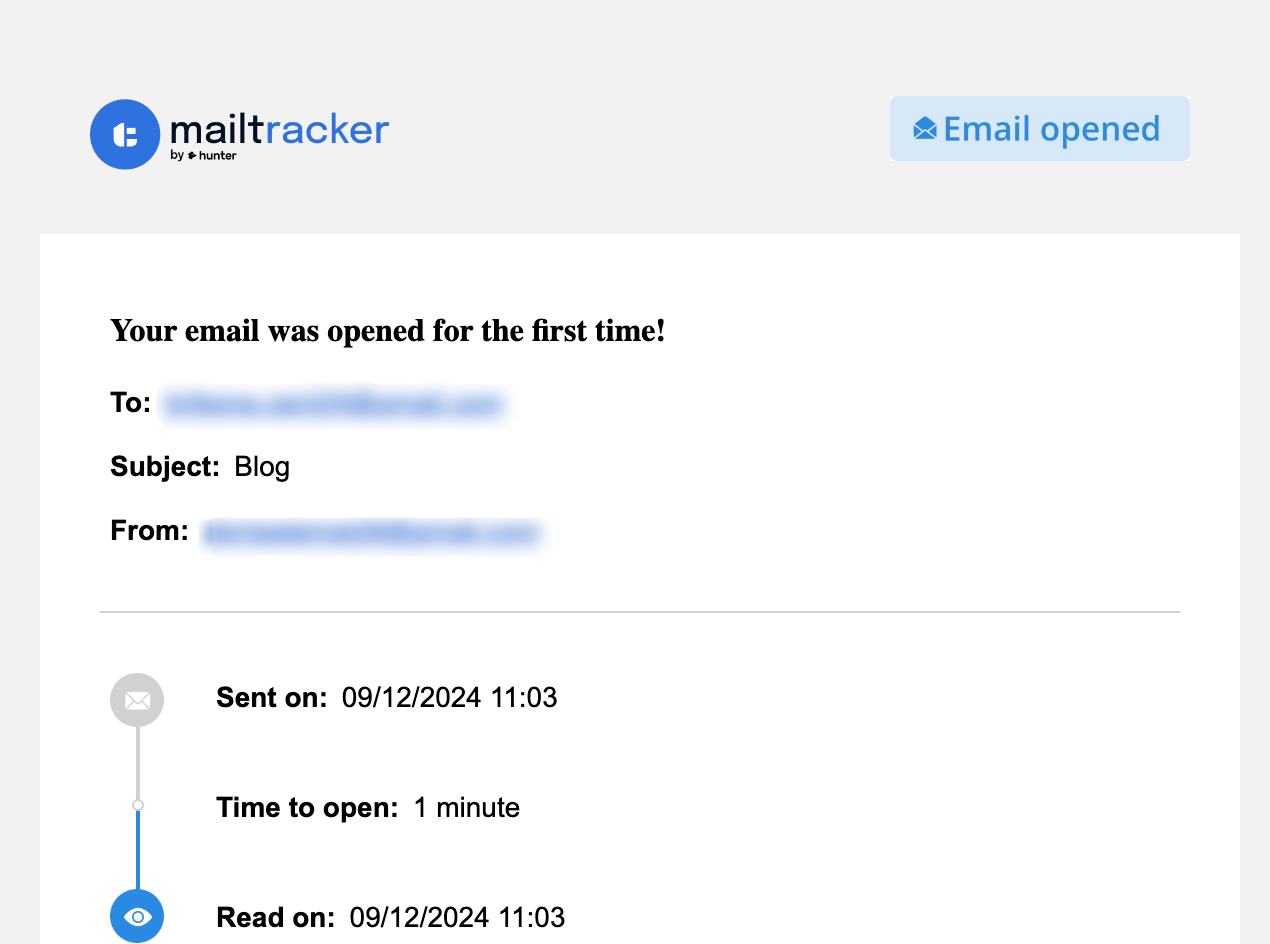
After verifying your email addresses, use MailTracker to monitor email engagement.
With MailTracker’s notification system, you can also track and understand the behavior of your email recipients, allowing you to send emails at the best time and never miss an important one.
Enjoy more successful campaigns with accurate data and higher engagement. Plus, you will reduce costs with fewer bounces and spam complaints.
Start by adding MailTracker to Chrome today for free.

